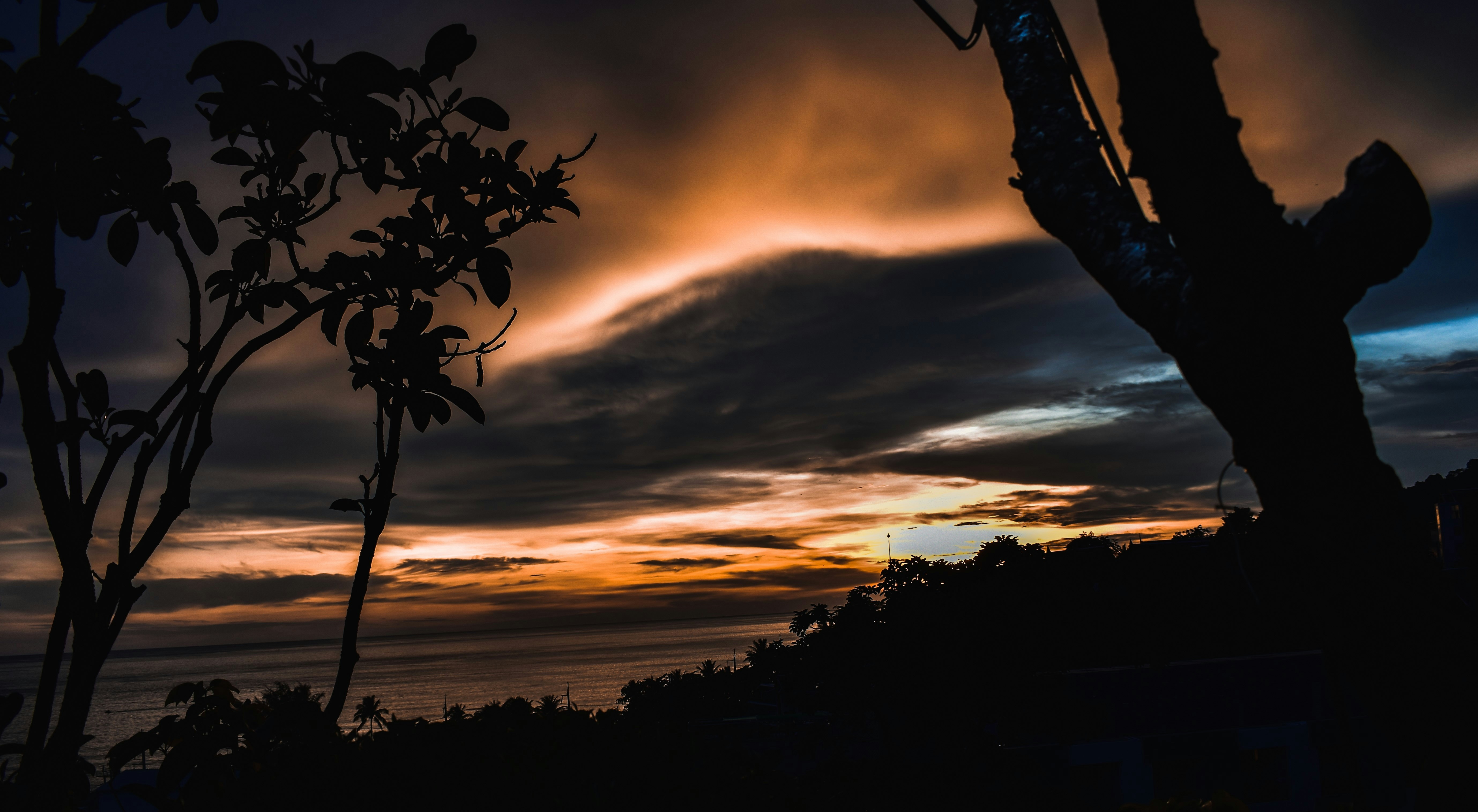
My Phuket was three decades ago — practically a different island now. The lessons, though, still hold.
Phuket was the first time I ever left the country. I went on a package tour with my mum and three little ones in tow — my nieces and nephew, aged five, seven and eight — and almost everything that could go a bit sideways did. It was overwhelming, occasionally a disaster, and somehow I look back on it fondly. If your own first big trip is coming up, or you're taking the family to Phuket, let me save you a few of the lessons it took me a chaotic week to learn.
First, the honest caveat: this was about thirty years ago, so the Phuket I landed in barely exists anymore. It's far more developed and polished today. So I'll tell you the stories as I remember them — they're the fun part — but every practical detail for travelling there now I've cross-checked rather than trusting my very old memory.
The trip where everything happened
It started as these group tours often did: with an enormous flight delay. We sat it out for something like eight hours, were sent to a hotel for a scrap of sleep, then shaken awake at three in the morning to finally leave. I learned my first travel lesson before we'd even properly arrived — delays are part of it, so build slack into your first and last days and never book anything tight around a long-haul.
Then there was the tummy trouble. One of the little ones, the eight-year-old, picked up a bad stomach bug — the classic upset that comes from a sudden change of water and food — and by the airport was wiped out enough to need a wheelchair to get through. It was a fright at the time and completely fine in the end, but it taught me to be careful with little kids and new water: bottled water for everything, including teeth, and easy on the unfamiliar food for the first day or two while small stomachs adjust.
The motion sickness was the funny one. We'd been fretting the whole trip about the seven-year-old, who got carsick at the drop of a hat — and then it was me who turned green. One motorboat ride across choppy water and I genuinely thought I might not make it. So now I pack the motion-sickness tablets for myself, thank you very much, not just the kids.
Half of what I know about travelling, I learned the hard way on that one messy week.
The food, and a tomato I didn't expect
This was where I first met tom yum goong, the famous hot-and-sour Thai soup — and I still remember my surprise at finding tomato floating in the broth, which wasn't at all what I'd pictured. My mum and I are both a little particular about food, so we leaned on familiar meals more than the local ones. I remember the tour guide, on our arrival day when we said we'd skip the group dinner, kindly bringing Korean food up to our hotel room — all of it bundled in plastic bags, which struck me as wonderfully odd at the time. It was, honestly, all part of the fun.
The useful version of that story: if you or your family are choosy eaters, Phuket today makes it easy. The tourist areas are packed with familiar options — Korean, Western, you name it — alongside the Thai food. Try the local cooking, but know there's always a comfortable fallback close by, which matters a lot when you're travelling with kids or fussy grown-ups like us.
Phuket now: the areas, briefly
The island is bigger and more varied than first-timers expect, and where you base yourself sets the whole tone. In short:
- Patong — the loud, bright, busy heart: the big beach, the nightlife, the crowds. Convenient and lively, exhausting if that's not your thing.
- Karon & Kata — just south, calmer beach towns that are popular with families and couples who want the sea and the comforts without Patong's intensity.
- Bang Tao, Surin & the northwest — the smarter, more upmarket resort stretch, quieter and more spread out.
- Phuket Old Town — colourful Sino-Portuguese streets, cafes and history, away from the beach — well worth a wander for a change of pace.
For a family trip like the one I'd do now, I'd lean toward Karon or Kata over Patong — close enough to everything, calmer at night, and easier with children.
When to go, and getting there
Fly into Phuket International (HKT). The reliable weather window is the dry season, roughly November to April — calm seas, sunshine, the best conditions for island day trips, and also the busiest and priciest. The shoulder weeks at either end are the value sweet spot. The wet season (around May to October) is cheaper and greener but brings real rain and rougher seas, which matters if you're hoping for boat trips.
The day trips are the point
Phuket is also a launchpad. The famous island day trips — Phi Phi, the Phang Nga Bay limestone karsts, and other nearby islands — are for many people the highlight, more than Phuket's own beaches. Two tips from my green-faced experience: pre-book a reputable boat tour so you can compare what's included rather than haggling on the sand, and if you're at all prone to seasickness, take something before you board. Learn from me.
What I'd tell my first-trip self
- Pad your arrival and departure days — delays happen; don't schedule anything tight around the flights.
- Mind little stomachs — bottled water for everything, and go gentle on unfamiliar food for the first day or two.
- Pack motion-sickness tablets for the adults too, not just the kids. Trust me.
- Have a familiar-food fallback if anyone's fussy — it takes the stress out, especially with children.
- Pick a calmer base with kids — Karon or Kata over Patong.
That messy first trip didn't put me off — it did the opposite. It's where I learned that travel rarely goes to plan, and that the wobbles are often what you remember most fondly years later. Phuket has changed beyond recognition since, but it's still a brilliant, easy first taste of Asia for a family. Just pack the tablets.
Affiliate link — we may earn a commission
Go deeper
Questions
Is Phuket good for a first trip to Asia?
Yes — it's one of the easiest introductions: direct flights, lots of English spoken in tourist areas, familiar food alongside Thai, and a huge range of accommodation. It was my own first trip abroad, family in tow, and despite the chaos it was a great place to start.
Where should I stay in Phuket with family?
Karon or Kata are good family picks — proper beaches and plenty to do, but calmer and quieter at night than Patong. Patong suits those who want the nightlife and buzz; the northwest resorts suit a quieter, more upmarket stay.
When is the best time to visit Phuket?
The dry season, roughly November to April, for sunshine and calm seas — ideal for island day trips, and the busiest and priciest. The shoulder weeks at either end usually balance decent weather with fewer crowds and better prices.
How do I avoid getting sick in Phuket?
Stick to bottled or filtered water (including for brushing teeth), be a little cautious with unfamiliar or reheated food for the first day or two, and choose busy, freshly-cooked food stalls. With young children especially, ease into the local food rather than diving straight in.
Are the island day trips worth it?
For most people they're the highlight — Phi Phi and Phang Nga Bay are genuinely spectacular. Book a reputable tour ahead so you know what's included, go in the dry season for calm seas, and take motion-sickness tablets before boarding if you're at all prone to it.
This guide draws on my own first trip to Phuket about three decades ago, with all current practical details cross-checked since — it's general information, not a live price list, and the island has changed enormously in that time. Costs are given as rough bands because they vary by area, season and exchange rate. Always check current prices, conditions and any travel advisories for your dates before booking.