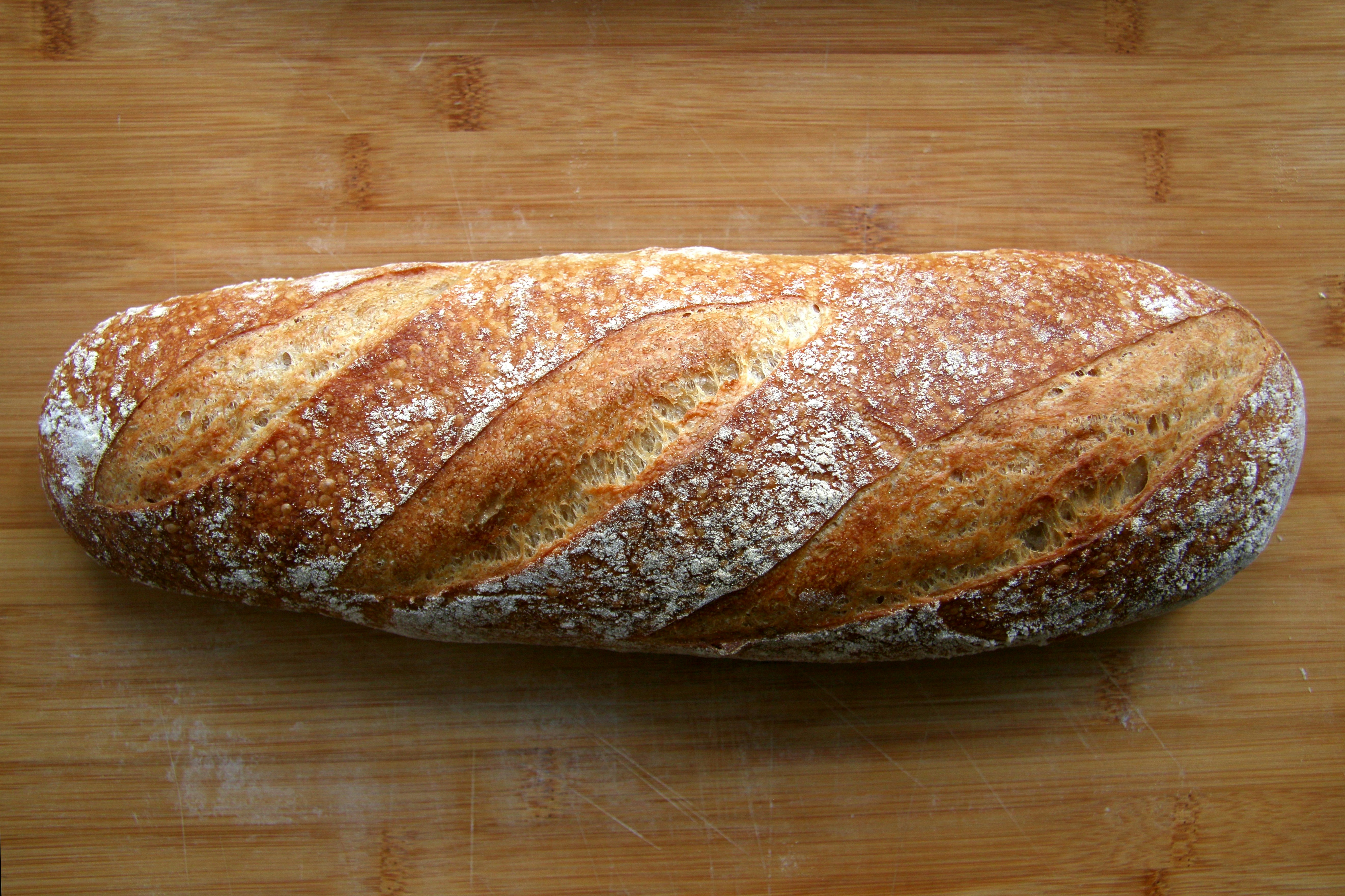
Crusty rolls, buttery pastries, strong coffee — the Viennese breakfast in one frame.
Here's something that surprises a lot of people who love a Paris croissant: the French have a single word for that whole family of buttery, flaky, slightly sweet morning pastries, and that word is viennoiserie — literally "things from Vienna." Bakers have, in effect, written the credit right onto the menu. Spend a little time with Viennese bread and you start to see why a city better known for music and palaces also belongs in any serious conversation about baking.
Why "viennoiserie" means "things from Vienna"
In French bakeries, the bread counter and the viennoiserie counter are two different things. Bread is the plain stuff — baguettes, country loaves. Viennoiserie is the enriched, often laminated family: croissants, pain au chocolat, brioche-style buns, the soft and the flaky. The name is a quiet historical footnote that stuck. These richer techniques — working butter into dough, layering and folding it so it bakes up in fine leaves — are traced back to Viennese baking traditions, and the French label simply remembered where they came from.
It's a lovely thing to notice as a shop owner. Whole categories of food carry their birthplace in the name, and most of us order them every day without thinking about it. Vienna got the naming rights, and it earned them.
The kipferl, August Zang and the croissant's beginnings
The croissant's exact origin is one of those food stories where history and legend are thoroughly tangled, so it's worth being honest about what's solid and what isn't. The solid part: in the 1830s a Viennese entrepreneur named August Zang opened a Viennese bakery in Paris. It sold Viennese specialities, including the kipferl — a crescent-shaped roll widely seen as an ancestor of the croissant. His bakery was a hit, Parisian bakers took notice, and the French croissant as we know it developed in the decades that followed.
The romantic part — the tales of a crescent roll invented overnight to celebrate a famous victory over besieging armies, the shape borrowed from a flag — is largely legend. It's a charming story, repeated everywhere, but historians treat it with real caution and there's little hard evidence for it. What's far better supported is the quieter, more believable version: a Viennese baker in Paris, a popular crescent roll, and French bakers refining it into something new. The croissant isn't strictly "invented in Vienna," but its story genuinely begins there.
The French even named the whole pastry case after Vienna. That's not a bad legacy for a bread.
The Kaiser roll: Vienna's everyday bread
Pastries get the romance, but the bread that actually defines a Viennese morning is the Kaisersemmel — the Kaiser roll. It's the classic crusty Austrian breakfast roll, round and crisp-crusted, with a distinctive star or pinwheel pattern pressed into the top. That swirl isn't just decoration: it's how the roll was traditionally folded or stamped, and it's the easy way to recognise the real thing.
What I like about it as a food person is how unfussy it is. A fresh Kaiser roll torn open while it still has a little warmth, with butter and maybe some ham or jam, is the backbone of breakfast across Austria. It's the everyday counterpart to all that fancy lamination — plain, honest bread that the city eats without ceremony, the way Paris eats its baguette.
- The look — a round roll with that pressed star/pinwheel on top is the tell-tale sign of a Kaisersemmel.
- The crust should be crisp and crackly; the inside light and soft, built for butter.
- When to eat it — fresh, at breakfast, the morning it's baked. Like most crusty rolls, it's best the same day.
Coffee houses, strudel and a famous cake
You can't really talk about Viennese baking without the room it's eaten in. Vienna's grand coffee-house culture is a recognised cultural tradition — marble tables, newspapers on wooden rods, and the unspoken right to nurse one coffee for hours. It's where the city's pastries shine. Alongside the morning rolls you'll find Apfelstrudel, the thin-pastry apple strudel, and the famous chocolate Sachertorte.
One honest clarification, since this is a bread guide: Sachertorte is a cake, not a bread or a viennoiserie. It's a dense chocolate cake with apricot jam and a glossy chocolate glaze, and it belongs to the coffee-house side of the story rather than the bakery counter. I mention it because so many people picture it the moment Vienna and baking come up — just don't go looking for it next to the breakfast rolls.
How to taste Vienna's bread story
You don't need a plan, just two small rituals. Start the day with a fresh Kaiser roll — at a bakery or a simple breakfast — and feel for that crisp crust and soft middle. Then, later, sit down in an old coffee house and order a pastry with a proper coffee: a strudel, or a croissant-style viennoiserie, eaten slowly at a marble table. Between the humble morning roll and the unhurried afternoon pastry, you've tasted both ends of why this city matters to baking. Best for: pastry lovers who want to taste where the croissant's story begins.
Go deeper
Questions
Why does "viennoiserie" mean "things from Vienna"?
Because that's literally what the French word means. It's the bakery category for enriched, often laminated items — croissants, pain au chocolat, brioche-style pastries — and the name credits the Viennese baking techniques those pastries are traced back to. The bread counter and the viennoiserie counter are treated as two separate things in French bakeries.
Was the croissant actually invented in Vienna?
Not exactly, and the popular legends should be taken with caution. What's well supported is that a Viennese baker, August Zang, opened a Viennese bakery in Paris in the 1830s selling the crescent-shaped kipferl, which is seen as an ancestor of the croissant. French bakers developed the croissant from there. The dramatic "invented to celebrate a battle" stories are largely legend with little hard evidence.
What is a Kaiser roll?
The Kaisersemmel, or Kaiser roll, is the classic crusty Austrian breakfast roll — round, crisp-crusted, with a distinctive star or pinwheel pattern pressed into the top. That swirl is the easy way to spot a real one. It's best eaten fresh on the morning it's baked.
Is Sachertorte a kind of bread or pastry?
No — Sachertorte is a cake, not a bread or a viennoiserie. It's a dense chocolate cake with apricot jam and a chocolate glaze, firmly part of Vienna's coffee-house tradition rather than the bakery counter. People often picture it when Vienna and baking come up, so it's worth keeping the distinction clear.
How should I experience Viennese bread as a visitor?
Keep it simple: a fresh Kaiser roll at breakfast for the everyday side, then a pastry — a strudel or a croissant-style viennoiserie — with coffee in an old coffee house for the indulgent side. Vienna's coffee-house culture is a recognised tradition and the natural place to enjoy these slowly.
This guide is researched and cross-checked rather than a personal trip report, and is general information only. Several origin stories around the croissant are debated or legendary and are flagged as such. Customs, cafés and recipes can change — check locally for current information, and mind any dietary or allergy needs before tucking in.