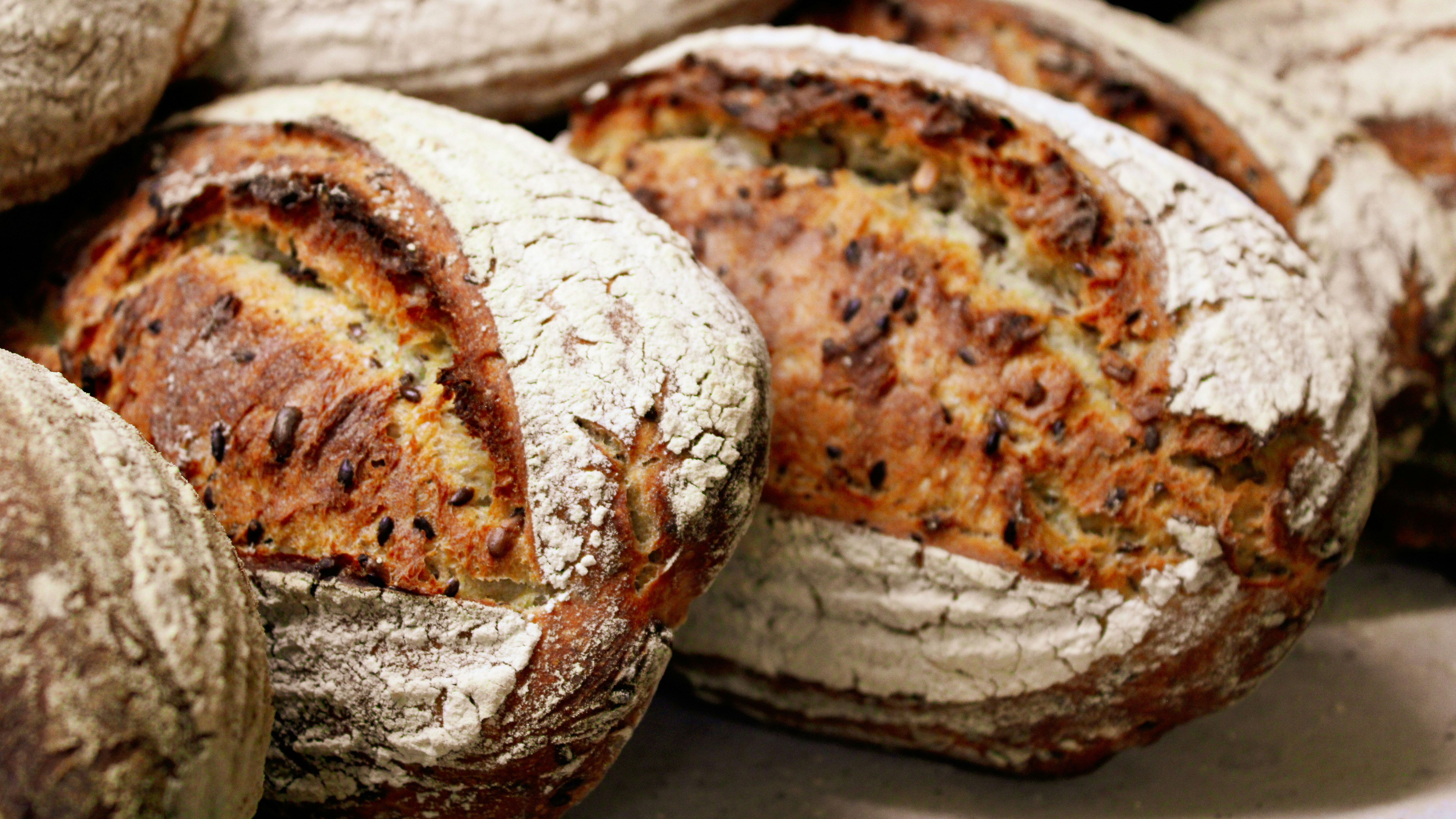
A thick crackly crust, an open chewy crumb, and that unmistakable tang.
Most bread leans on a packet of commercial yeast to rise. San Francisco sourdough doesn't — and that single difference is the whole story. A real sourdough is leavened with a living "starter," a bubbling mix of wild yeast and lactic-acid bacteria that bakers feed and keep alive for years. Those bacteria are what give the bread its famous sour tang, and in this city the tradition runs deep enough that a strain of bacterium was actually named after the place. For a bread lover, that's history in every tangy slice.
Where the tang comes from
The thing that sets sourdough apart is what's doing the leavening. Instead of a measured spoon of commercial yeast, a sourdough is raised by a natural starter — a culture of wild yeast and lactic-acid bacteria that lives in a jar of flour and water and gets "fed" regularly to stay active. The yeast makes the bread rise; the bacteria produce acids as they ferment, and those acids are what give a good loaf its clean, mouth-watering sourness. It's a slower, fussier way to make bread, but it's also one of the oldest, long predating the tidy modern yeast packet.
Because the flavour comes from living microbes rather than an added ingredient, no two starters taste exactly alike — which is part of why a loaf from one bakery can taste noticeably different from the one down the street.
Why San Francisco?
San Francisco's claim on sourdough is genuine and historic, not just a tourist tagline. Sourdough was a staple of the city's bakers during the Gold Rush, going back to 1849, when miners and bakers alike kept their own starters going. The association is so strong that a wild bacterium commonly found in the city's starters was named after it — Lactobacillus sanfranciscensis. One bakery, Boudin, traces its founding to 1849 and is famous for maintaining a very old "mother" starter that it has kept feeding ever since.
Why here, of all places? The popular explanation is the city's cool, foggy climate, which is often credited with encouraging the particular bacteria behind that distinctive sourness. It's a lovely story — though it's worth being honest that bakers themselves debate how much is really down to the local environment versus the baker's technique and the age of the starter. The truth is probably some of both, and you don't need to settle the argument to enjoy the bread.
The starter is alive, and the city has been feeding it since the Gold Rush.
What makes a good loaf
You don't need a baker's eye to spot a proper San Francisco sourdough — a few honest signs tell you most of what you need to know:
- The crust should be thick, deeply coloured and genuinely crackly, often blistered with little bubbles across the surface.
- The crumb inside should be open and chewy, with irregular holes, never tight and spongy like sandwich bread.
- The tang should be clear and clean — present enough to notice, never so harsh it stings. A good sourness is the point, not a flaw.
- The chew should have some pull to it, a sign of a slow fermentation and a well-developed dough.
How to find it and eat it
Around Fisherman's Wharf, the famous touristy classic is a hollowed-out sourdough "bread bowl" filled with clam chowder — a fun, photogenic thing to try once, even if it leans more towards spectacle than subtlety. If you actually want to taste what the bread can do, the simplest approach shows it off best: a plain slice, toasted, with good butter. That's when the crackly crust, the chewy crumb and the tang all get to speak for themselves.
To find a good loaf, look for a bakery that makes its bread on site and talks about its starter — those are the people who care. Buy it fresh, ideally the day you'll eat it, and don't be shy about asking how sour their loaf runs; bakers love that question. Best for: bread lovers who want history in every tangy slice.
Go deeper
Questions
What actually makes sourdough sour?
Sourdough is raised with a natural "starter" of wild yeast and lactic-acid bacteria instead of commercial yeast. The yeast makes the bread rise, and the bacteria produce acids as they ferment — those acids are what give the loaf its characteristic tang. The flavour comes from living microbes, so it varies from bakery to bakery.
Why is San Francisco linked to sourdough?
The connection is genuinely historic. Sourdough was a staple of San Francisco bakers during the Gold Rush from 1849, and a wild bacterium common in the city's starters was even named after it — Lactobacillus sanfranciscensis. The Boudin bakery, founded in 1849, is famous for keeping a very old "mother" starter alive ever since.
Is it really the foggy climate that makes it tangy?
That's the popular explanation — the city's cool, foggy air is often credited with the distinctive sourness. But it's debated: many bakers argue that technique, the baker's own starter and the age of the culture matter at least as much as the local environment. The honest answer is that it's probably a mix of both.
Should I get the bread bowl at Fisherman's Wharf?
The hollowed sourdough bread bowl filled with clam chowder is the touristy classic, and it's a fun thing to try once. But it's more spectacle than a true taste of the bread. To judge the loaf itself, a simple toasted slice with butter shows off the crust, crumb and tang far better.
How do I spot a good sourdough loaf?
Look for a thick, blistered, crackly crust, an open and chewy crumb with irregular holes, and a clear but clean tang. Buy from a bakery that makes its bread on site and talks about its starter, and eat it fresh — ideally the same day.
This guide is researched and cross-checked rather than a personal trip report, and is general information only. Details of bakeries, history and food customs can change, and some points (like how much the climate really matters) are genuinely debated — check locally for current information, and mind any dietary or allergy needs before tucking in.