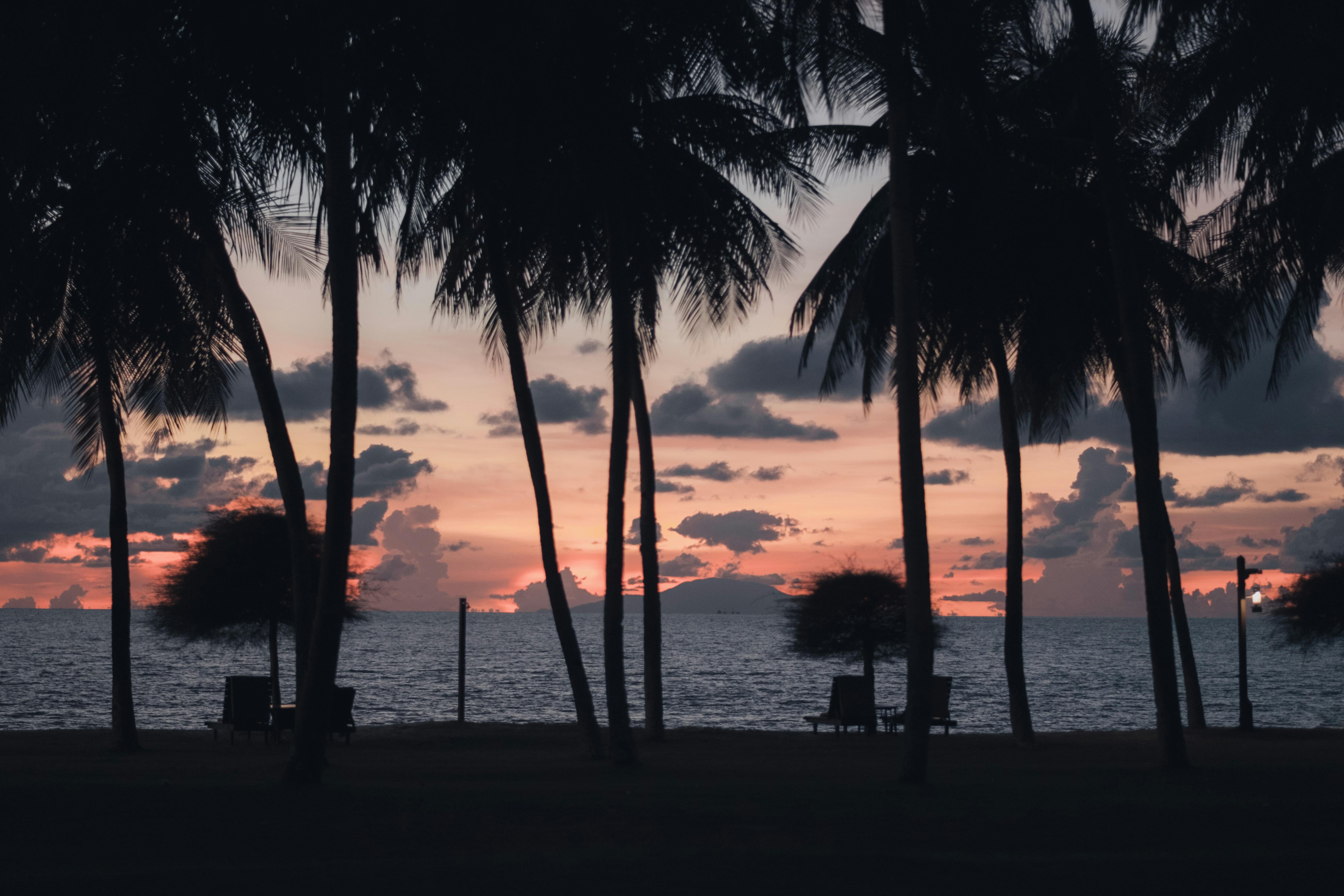
My Langkawi was a long time ago now, so the stories are mine but the practical details are cross-checked for today.
The thing I remember most clearly about Langkawi is the rain. We'd gone in the wet season, and one afternoon the sky simply opened — a downpour so heavy you couldn't see across the street. I remember thinking the day was ruined. Then, maybe thirty minutes later, it stopped as suddenly as it started, the sun came blazing back, and everything steamed gently dry. That, it turns out, is exactly how tropical rain behaves: short, dramatic, and over before your coffee's cold.
This was a long time ago — getting on for thirty years, another family trip with my mum and two of my young nieces and nephews — so let me be upfront: I'll tell you what I remember, but the practical stuff for going now I've cross-checked rather than trusting decades-old memory. Langkawi has grown up a lot since.
The sushi I'll never forget
My other vivid memory is gloriously silly. We found a conveyor-belt sushi place, and the children — primary-schoolers — went at it like it was an Olympic event. They stacked up more than twenty plates each, and the staff were so tickled they took a commemorative photo of the tower of empty dishes. What made it possible was the price: back then a plate was around the equivalent of a few hundred won — far cheaper than the same thing at home. That's Langkawi's quiet superpower in a nutshell, and it leads to the most useful thing to know about the island.
A downpour you wait out, and food you can actually afford to enjoy — that's the Langkawi I remember.
Why Langkawi is good value: duty-free
Langkawi is a duty-free island, which is a genuine part of its appeal and not just a slogan. It keeps certain costs noticeably lower than the mainland, and it's long drawn visitors looking for an affordable, easygoing tropical break rather than a flashy one. Even allowing for how much prices have risen everywhere since my trip, Langkawi still tends to sit at the better-value end of the region's beach islands — less hyped than its Thai neighbours, and gentler on the wallet for it.
What there actually is to do
Langkawi isn't a single beach — it's an archipelago of mostly uninhabited islands, with one main island holding the action. Beyond lying on the sand, the headline things are:
- The cable car and Sky Bridge — the SkyCab climbs a forested peak to a curved pedestrian bridge with huge views; it's the island's signature attraction.
- Pantai Cenang — the main beach strip, with the bulk of the cheap eats, bars and water sports.
- Mangrove and island boat tours — through the geopark, with eagles, caves and quieter beaches.
- Rainforest and waterfalls — Langkawi is green and jungly inland, not just a beach.
Where to stay
Pantai Cenang is the obvious first base — central, walkable, the most choice of budget and mid-range places, and the liveliest. For something quieter and more upmarket, the island has resort pockets spread away from the main strip. As a rough sense (always check current prices for your dates): simple guesthouses and mid-range hotels are very reasonable here, and even the smarter resorts tend to cost less than equivalent places on the busier Thai islands.
Getting there and when to go
You can fly into Langkawi International (LGK), or take a ferry from the mainland (such as Kuala Kedah) or from Penang. The drier, more reliable months are roughly November to March; the wetter stretch runs around April to October, when you get those dramatic short downpours I described. Here's my honest take, though: the wet season isn't the write-off people fear. The rain often comes in sharp bursts and clears fast, prices are lower, and the island is at its greenest. If your dates are flexible, the drier months are the safe bet; if they're not, don't cancel Langkawi just because it's "the wet season" — pack a light rain jacket and plan indoor-ish options for the heaviest afternoons.
Honest tips
- Don't fear the wet-season rain — it's usually short and sharp. Keep a loose plan and wait the worst out over a long lunch.
- Lean into the value — it's a duty-free island, so it's a place to enjoy eating out and a few comforts without the guilt.
- Do the cable car on a clear morning — views vanish in cloud, so go when the sky's behaving rather than saving it for last.
- It's family-friendly and easygoing — calmer than the party islands, which is exactly why it worked so well with kids and my mum.
Langkawi doesn't shout the way some islands do, and that's the charm. It's green, affordable and unhurried — the kind of place where a biblical rainstorm becomes a funny story and a tower of sushi plates becomes a family photo. Decades on, it's still the easy, good-value tropical break it was, just with smarter resorts and a cable car the kids would have loved.
Affiliate link — we may earn a commission
Go deeper
Questions
Is Langkawi worth visiting in the rainy season?
It can be. Wet-season rain here often comes in short, heavy bursts that clear fast, leaving sunshine behind, and prices are lower with fewer crowds. If your dates are flexible the drier months (around November to March) are safer, but I wouldn't write off a wet-season trip — just pack a light rain jacket and keep the plan loose.
Is Langkawi cheaper than Thailand's islands?
It tends to be good value, helped by its duty-free status, and it's less hyped than the big Thai islands. Costs have risen everywhere over the years, so check current prices, but Langkawi still sits at the affordable end of the region's beach destinations.
What's the must-do in Langkawi?
The cable car (SkyCab) up to the Sky Bridge is the signature attraction, with sweeping views over the islands and rainforest. Go on a clear morning, since the views disappear in cloud. Mangrove and island boat tours are the other highlight.
Is Langkawi good for families?
Yes — it's calmer and more easygoing than the party islands, with a cable car, boat tours, gentle beaches and affordable food. I went with my mum and young nieces and nephews and it suited everyone, which is part of why I remember it so fondly.
How do you get to Langkawi?
Fly into Langkawi International (LGK), or take a ferry from the Malaysian mainland (for example Kuala Kedah) or from Penang. Flying is quickest; the ferry is a cheaper, slower alternative.
This guide draws on my own family trip to Langkawi many years ago, with current practical details cross-checked since — it's general information, not a live price list, and the island has changed a lot in that time. Costs are given as rough bands because they vary by season, area and exchange rate. Always check current prices, conditions and any travel advisories for your dates before booking.