No cars, no scooters — the loudest thing on the Gilis is usually the cidomo pony bell.
The Gili Islands have one rule that changes everything: no motorised transport. No cars, no scooters, no engines on land at all. You move around on foot, on a wobbly bicycle, or in a cidomo — a small pony-drawn cart that doubles as the local taxi. That single absence is the whole point. Step off the boat and the background hum you didn't know you'd been living with just stops.
The trap is treating "the Gilis" as one place. They're three separate islands off the northwest coast of Lombok, a short hop from Bali, and they have genuinely different personalities. Pick the wrong one for your trip and you'll either be kept awake by a beach party you didn't want, or quietly bored on an island with nothing open after dark. Pick the right one and it's exactly the chilled-out, car-free contrast to Bali that people come looking for.
The three islands, honestly
They line up in a row, all small enough to walk around in a couple of hours, all ringed by sand and snorkelling water. What differs is the volume.
Gili Trawangan — the lively one
"Gili T" is the largest and the busiest, with the most dining, the most bars, and most of the island's nightlife. This is where backpackers and party-minded travellers gravitate, and where you'll find the widest spread of restaurants and things open late. Base here if you want company, choice and a buzz — and don't mind that the quiet only really arrives in the small hours.
Gili Air — the balanced middle
The all-rounder, and the one I'd point most first-timers toward. Gili Air is relaxed and laid-back but still has proper amenities — good cafes and restaurants, a bit of low-key evening life, plenty of places to stay. It manages the trick of feeling calm without feeling cut off. If you can't decide, this is the safe pick.
Gili Meno — the quiet one
The smallest and sleepiest of the three, with the least development and the slowest pace — long a favourite with honeymooners and anyone who wants to do close to nothing. There's little nightlife and fewer dining options, which is exactly the appeal for the right traveller and a slow letdown for the wrong one. Base here for stillness; visit from elsewhere if you only want a taste.
Don't choose "the Gilis." Choose party, balanced, or quiet — then book the island that matches.
What you actually do here
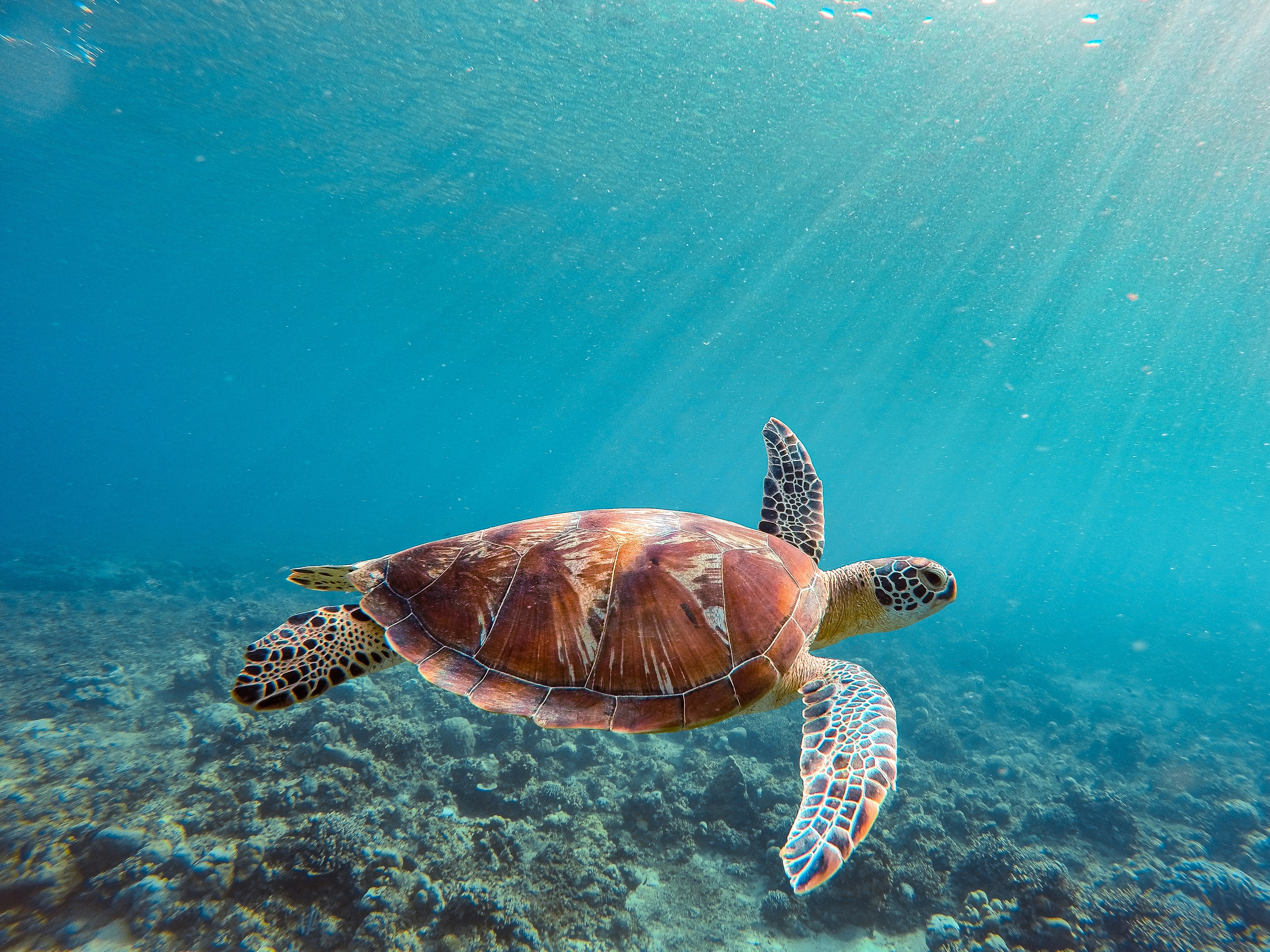
The headline activity is the water, and it's unusually easy: you can snorkel and dive straight off the beach, no boat required for a lot of it. The big draw is the chance to see sea turtles in the shallows, and there are underwater statue installations near Gili Meno that have become a signature photo spot. Beyond that, the to-do list is gloriously short.
- Snorkelling & diving — gear up from shore, or join a boat trip that loops the three islands and the better reef spots. Turtles are the main event.
- Island-hopping — public and tour boats run between Gili T, Air and Meno, so you can sleep on one and day-trip the others to sample all three vibes.
- Walking or cycling the ring — each island has a sandy perimeter track you can loop in an hour or two; rent a bike and find your own stretch of beach.
- Doing very little — sunsets, a hammock, a swing in the shallows. On the Gilis this counts as a full itinerary, and on Meno it basically is one.
Fast-boat transfers from Bali and snorkelling trips that loop the three islands (turtles, the Meno underwater statues) are easy to lock in before you arrive — handy when seats and good operators fill up in peak months.
Compare Gili boats & snorkel tours →Affiliate link — if you book through it we may earn a small commission, at no extra cost to you.
Where to stay, by budget
The Gilis are generally affordable and lean relaxed rather than flashy, but the range is wider than you'd guess for such small islands. As a rough sense of what to expect (always check live prices for your dates):
- Tight budget — simple guesthouses, fan rooms and backpacker dorms, easiest to find on Gili T and Gili Air. Cheap, social, and close to the action.
- Mid-range — comfortable bungalows and small boutique stays with aircon and a pool, the sweet spot on Gili Air especially.
- Splurge — a handful of nicer beachfront villas and resorts, with Gili Meno favoured for the quiet, honeymoon end of the scale.
Because there are no engines, your bags move by porter, cart or hand, and supplies arrive by boat — so accept that a few things cost a little more than on the mainland, and that "getting somewhere" always means walking, pedalling or waiting for a cidomo. That slowness is the product, not a flaw.
Getting there
Most travellers come from Bali by fast boat, departing from ports such as Padang Bai, Serangan or Amed. The crossing is a couple of hours and can be choppy — the open water between Bali and Lombok isn't always glassy, so if you're prone to seasickness, plan for it. You can also reach the Gilis from Lombok itself, which is a shorter hop if you fly into Lombok airport (LOP) instead of Bali (DPS).
Once you land on the sand there's no onward transport beyond your own feet, a bike or a cidomo — boats beach themselves, so expect to wade the last few steps and keep anything that hates seawater in a dry bag. Build a little slack into arrival and departure days; fast boats are weather-dependent and can be delayed or cancelled in rough seas.
When to go
The dry season, roughly April or May through October, is the reliable window — calmer crossings, sunny days, easy snorkelling. It's also the busier, pricier stretch, with the European-summer months at the centre of it being the most crowded. The shoulder months at each end tend to be the value sweet spot. Outside the dry season you'll find lower prices and fewer people, but more rain and choppier, less predictable boat days.
Honest tips that save the trip
- Bring cash. ATMs on the islands have historically been limited and not always reliable, and small businesses prefer cash — sort enough on the mainland before you cross.
- Pick your island on purpose. Re-read the three above and match it to your trip: Gili T for buzz, Gili Air for balance, Gili Meno for quiet.
- Respect local custom. Lombok and the Gilis are predominantly Muslim — dress modestly away from the beach and be considerate, especially around prayer times and Ramadan.
- Plan for choppy water. The Bali crossing can be rough; don't book a tight same-day onward flight, and pack motion-sickness remedies if you need them.
None of this is complicated once you know it, and that's rather the point. The Gilis reward picking the right island far more than picking the right hotel — get that one decision right, bring cash, and accept island time, and you'll have the calm, car-free counterweight to Bali that people keep coming back for.
Go deeper
Questions
Are the Gili Islands worth visiting?
Yes, if a car-free, low-key island pace is what you're after. The no-engines rule makes them genuinely calm, the off-beach snorkelling (turtles, the Meno underwater statues) is easy and rewarding, and they're an affordable, relaxed contrast to Bali. The key is matching the island to your trip.
Which Gili island should I stay on?
Gili Trawangan ("Gili T") for the most dining and nightlife; Gili Air for the balanced middle — relaxed but with good amenities, the best all-round pick; Gili Meno for the smallest, quietest, honeymoon-style stay. You can island-hop to sample the others by day.
When is the best time to go?
The dry season, roughly April or May through October, for calm crossings and reliable snorkelling — also the busiest and priciest, especially mid-year. The shoulder months at either end usually offer the best balance of decent weather, fewer people and lower prices.
Are the Gili Islands expensive?
Generally no — they're affordable and lean relaxed rather than luxury, with everything from cheap guesthouses to a few splurge villas. Because supplies come by boat and nothing moves by engine, some food and drink costs a little more than on the mainland. Bring cash, as ATMs have historically been limited.
How do you get to the Gili Islands?
Most people take a fast boat from Bali, leaving from ports such as Padang Bai, Serangan or Amed — a couple of hours, and it can be choppy. You can also come from Lombok, a shorter hop if you fly into Lombok (LOP). On the islands themselves there's no motorised transport: just feet, bikes and pony carts.
This guide is researched and cross-checked rather than a personal trip report, and is general information only. Costs are given as rough bands because they vary with season, operator and exchange rates — always check current prices, boat conditions and any travel advisories for your dates before booking.