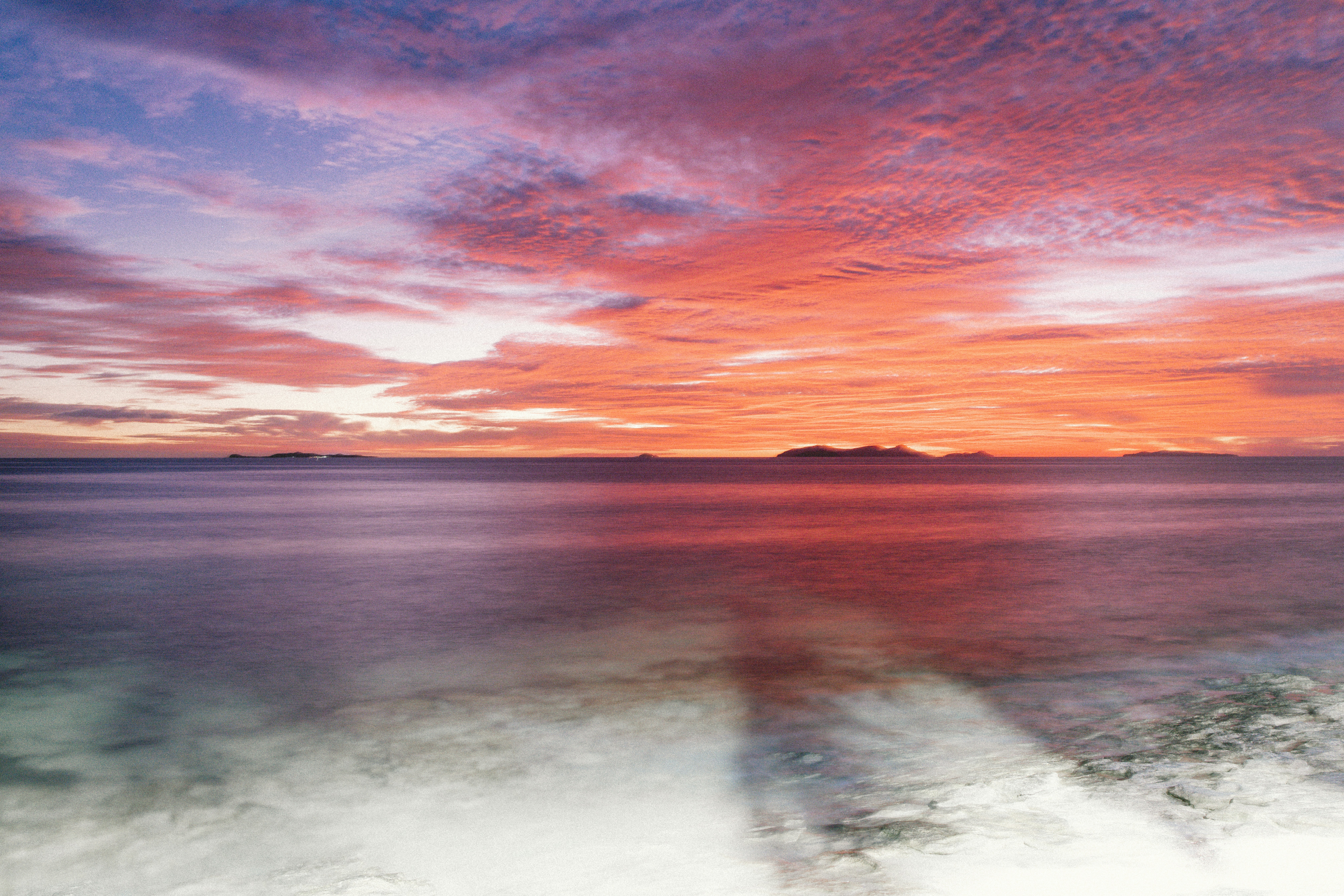
Fiji is one country but many islands — and the one you choose matters more than most people realise.
Fiji is one of those destinations people imagine as a single beach, when it's really a scatter of more than 300 islands across the South Pacific. The thing nobody tells you before you book is that "going to Fiji" isn't one decision — it's two. First you land on the big island. Then you choose which group of smaller islands to actually spend your week on, and that second choice shapes everything: how far you travel, how much you spend, and whether your days feel busy or beautifully empty.
What unites all of it is the welcome. Fiji's reputation for genuine, unforced hospitality is the real thing, and you'll hear the greeting "Bula" — cheerful, constant, meant — from the moment you arrive. It's a place that's equally happy hosting a honeymoon and a family with small kids, which is rarer than it sounds. This guide is about getting the geography right so that warmth lands on the right kind of trip for you.
First, the big island — and why you don't stay there
Almost everyone arrives at Nadi (airport code NAN) on Viti Levu, the main island. Viti Levu holds the international gateway, the capital Suva over on the far side, and the Coral Coast — a strip of mainland resorts along the southern shore. It's perfectly pleasant, and it's where a lot of first-timers end up by default because it needs no extra ferry or flight.
But the Coral Coast's beaches are generally not the powdery, postcard kind that pulled you to Fiji in the first place — the truly dreamy sand is out on the smaller islands. So the honest advice is simple: treat Nadi and Viti Levu as your arrival point and, if anything, a one-night buffer, then get out to the islands for the trip you actually came for.
The mistake isn't choosing the wrong island. It's not realising you had to choose an island group at all.
The two island groups, and how to choose
Two clusters of islands off Nadi do most of the heavy lifting for beach holidays, and they have completely different personalities. Pick based on how far you want to travel and what kind of week you're after.
The Mamanucas — close, easy, sociable
The nearer group, an easy hop from the mainland. Because they're close, they suit shorter trips, day trips, and anyone who doesn't want a long journey with kids or jet lag in tow. They carry a real range of resorts and a lively, well-serviced feel. Stay here if you want the islands without the commute — the classic choice for families and for first-timers.
The Yasawas — remote, strung-out, slow
A long chain stretching further north, more remote and more spaced out, reached by the "Yasawa Flyer" catamaran ferry that runs up the line and drops people island by island. This is the quieter, more away-from-it-all Fiji — fewer crowds, simpler rhythms, dramatic scenery. It rewards a longer stay, since the travel time only makes sense if you're not rushing. Stay here if you want genuine island time and don't mind earning it.
The neat part is that the Yasawa Flyer makes hopping between several islands genuinely doable — you can string together a few stops up the chain rather than committing to one. That flexibility is a big reason backpackers and slow travellers love the Yasawas.
Where to stay, by budget
One of Fiji's quiet strengths is how wide the range is — a backpacker on an island dorm bed and a honeymooner in an overwater-style villa can both be having the trip of their lives a short ferry apart. As a rough sense of what to expect (always check live prices for your dates):
- Tight budget — backpacker island lodges and dorms, especially out in the Yasawas, often on a package that bundles your bed, meals and the ferry. Social, simple, and surprisingly beautiful for the money.
- Mid-range — comfortable island resorts with pools and, importantly, kids' clubs — the sweet spot for most families, and common across the Mamanucas.
- Splurge — the small luxury island resorts at the high end, the honeymoon and special-occasion tier, where you pay a real premium for seclusion and service.
Because these are islands, most resorts run on a more all-inclusive logic than a city hotel — meals, transfers and activities are often bundled, partly because there's no village of cheap restaurants next door. That's worth factoring into the budget: the headline room rate isn't always the whole picture, and sometimes the bundled deal is the better value.
Island-hopping ferries, Mamanuca day cruises and snorkelling trips, and Nadi-side experiences are easy to compare and lock in ahead of time — handy in Fiji, where boats and island transfers fill up and aren't something you want to improvise on arrival.
Browse Fiji tours & transfers on Klook →Affiliate link — if you book through it we may earn a small commission, at no extra cost to you.
Getting there and getting around
Fly into Nadi (NAN) on Viti Levu — the main international gateway. From there your route depends on which group you chose: the Mamanucas are a short boat transfer away, while the Yasawas are reached by the Yasawa Flyer catamaran, which runs up the chain and sets you down at the island your resort is on. Many island stays arrange the transfer as part of the booking, so confirm how you're getting from the airport to your sand before you arrive rather than after.
One practical note: island transfers run to a schedule and depend on weather and sea conditions. Build a little slack into your arrival and departure days — keep a buffer night near Nadi rather than booking a same-day tight onward flight connection home.
When to go
The reliable window is the dry season, roughly May to October — cooler, less rain, easier boat days, and the most popular stretch. The wet season, roughly November to April, is hotter and wetter, and it's also the cyclone-risk window, so it pays to watch forecasts and travel advisories if you travel then. The shoulder edges of the dry season tend to give the best balance of decent weather, fewer crowds and softer prices.
What to actually do
- Island-hop the Yasawas — use the Flyer to string together a few stops up the chain rather than committing to a single island.
- Snorkel and dive — the reefs are the main event; bring or rent gear and pick a resort with good house-reef access.
- Lean into a kids' club — if you're travelling with children, the better family resorts make a genuine difference to whether the parents get a holiday too.
- Meet the welcome — village visits, a kava ceremony and the everyday "Bula" are a big part of why people leave so fond of the place; go in open and unhurried.
Honest tips that shape the trip
- Choose your island group on purpose. Mamanucas for close and easy; Yasawas for remote and slow. It's the decision that makes or breaks the week.
- Don't over-stay the mainland. Nadi is the gateway, not the holiday — get out to the islands for the beaches you came for.
- Match the trip to the travellers. Short trip or young kids? Stay close. Honeymoon or long, slow escape? The remote islands reward you.
- Mind the season and the boats. Favour the dry months, and keep a buffer around ferry and flight days.
Fiji rewards one good decision more than almost anywhere: working out, before you book, which islands suit the trip you actually want. Get that right and the rest — the warmth, the water, the easy island time — does the work for you. Get it wrong and you'll spend the journey wishing you were somewhere a ferry away.
Go deeper
Questions
Is Fiji worth visiting?
Yes — especially if you get out to the islands. The hospitality is the real draw, the beaches on the smaller islands are world-class, and it works equally well for families and honeymooners. The key is not lingering on the mainland and choosing the island group that fits your trip.
Should I stay in the Mamanucas or the Yasawas?
The Mamanucas are closer and easier — best for shorter trips, families and first-timers. The Yasawas are more remote and strung out, reached by the Yasawa Flyer ferry — best for a longer, slower, quieter escape and for island-hopping.
When is the best time to go to Fiji?
The dry season, roughly May to October, for cooler, drier weather and easier boat days. The wet season (November to April) is hotter, wetter and the cyclone-risk window, so watch forecasts and advisories if you travel then.
Is Fiji good for families?
Very — it's one of the more family-friendly island destinations, and many resorts have kids' clubs. Families often do best in the closer Mamanucas, where transfers are short and resorts are well set up for children.
How do you get to the islands from the airport?
Fly into Nadi (NAN) on the main island, Viti Levu. The Mamanucas are a short boat transfer; the Yasawas are reached by the Yasawa Flyer catamaran up the chain. Many resorts arrange transfers as part of the booking — confirm the details before you arrive.
This guide is researched and cross-checked rather than a personal trip report, and is general information only. Costs are given as rough bands because they vary with season, island, operator and exchange rates — always check current prices, ferry and transfer conditions, and any travel advisories (including cyclone-season forecasts) for your dates before booking.