My Bali was about fifteen years ago. Some things are exactly the same; plenty has changed.
The first thing Bali taught me was to hold onto my sunglasses. I'd just bought a nice pair, the kind you feel slightly silly spending money on, and within a day a monkey in Ubud had whipped them clean off my head. A local man chased it down and patiently negotiated them back for me — scratched, but mine again. I wore those scratched sunglasses for the rest of the trip, because by then I needed them: three weeks under the Bali sun with my mum, moving from one side of the island to the other.
That was about fifteen years ago, so let me be straight with you up front: Bali has changed a lot since. There's more traffic, more development, far more of everything in the busy south. So I'll tell you what I remember honestly, but where it matters for planning today I've cross-checked what's current — because thirty-year-old me's tips wouldn't help you book a thing.
The mistake people make with Bali is treating it as one place. It's really several, and they're nothing alike.
Why you should move around (a bit)
We split our three weeks across several bases — a couple of days here, a week there — and that's the single best decision we made. The south alone contains a brash party beach, a chic dinner-and-sunset strip, and a quiet resort zone, all within a short drive, and they attract completely different moods. Inland is a different world again. If you only have a week you don't need to pack in four hotels like we did, but you should pick at least two contrasting bases rather than staying put and assuming you've "seen Bali".
The areas, and who each is for
Kuta — go briefly, knowingly
We gave Kuta two days, and honestly that was about right for us. It's the loud, surfy, party end — cheap, lively, a rite of passage, and exhausting if it's not your scene. Two days was enough to feel it and move on. If you're young and want the noise, stay longer; if you're not, treat it as a quick first taste and don't base your whole trip there.
Seminyak — the comfortable middle
We gave Seminyak a full week, and it was the easy, stylish counterpoint to Kuta just up the coast: nicer places to stay, good dinners, sunset drinks on the beach. It's where I'd point most first-timers who want Bali to feel relaxed and grown-up without being remote. A week didn't feel too long.
Ubud — the cultural heart (and the monkeys)
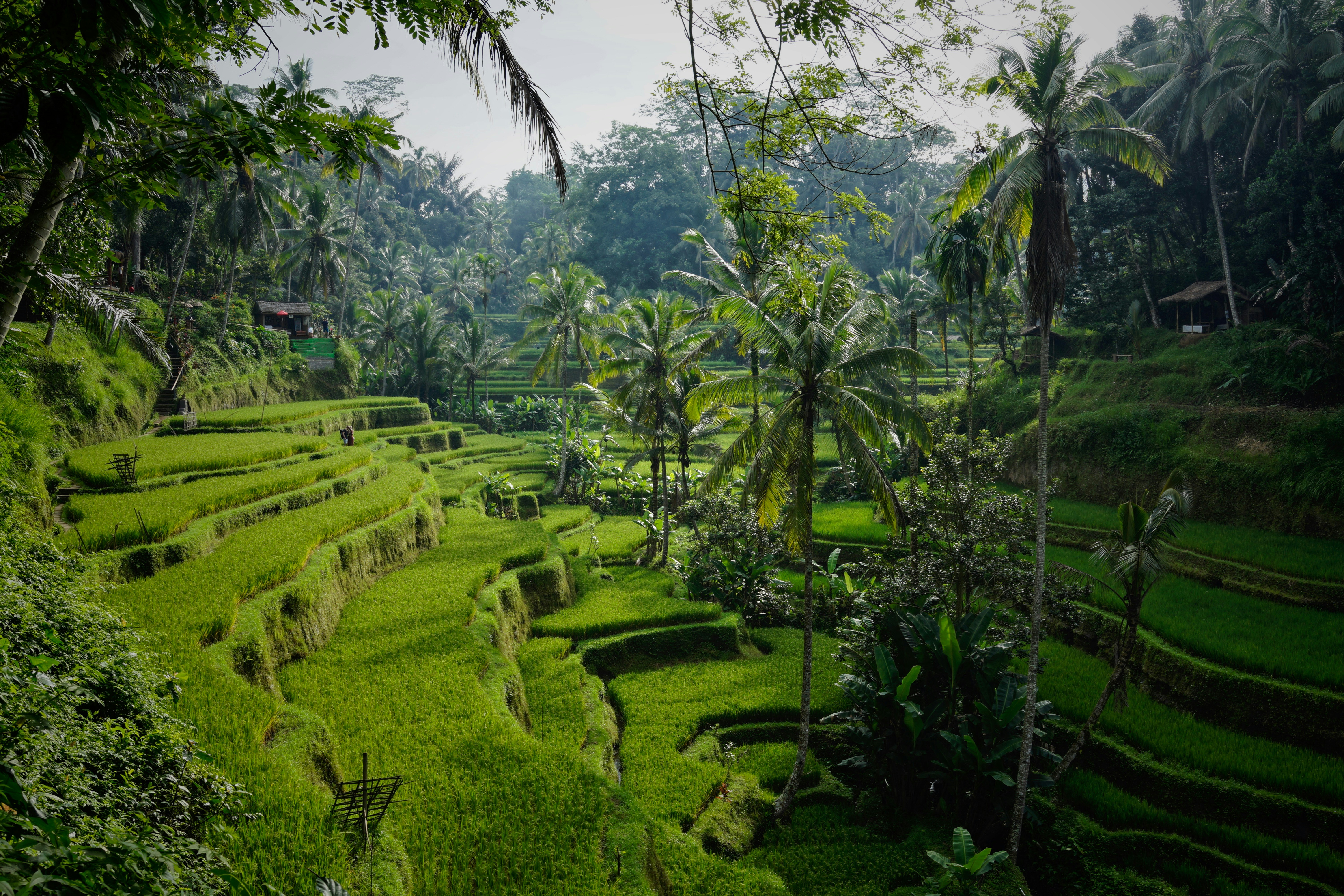
We only day-tripped to Ubud, inland among the rice terraces and temples, and in hindsight that's my one regret — it deserved at least a night or two. It's the green, arty, spiritual side of Bali, and yes, the monkeys are exactly as cheeky as the stories say (see: my sunglasses). If you care about culture, rice paddies and cooler air, give Ubud real time rather than squeezing it into one rushed day like we did.
The south — where you wind down
We finished in the calmer resort south, moving between a couple of hotels — one with a name that sounded like a luxury fashion label (I've long forgotten which), and a Novotel I remember fondly. This is the part of the island for switching off: tidy resort beaches, pools, slow mornings. It's not the "real Bali" and doesn't pretend to be — it's where you rest at the end, which is exactly what we needed after three weeks on the move.
The thing I'd tell everyone: the daily massage
My favourite part of the whole trip wasn't a beach or a temple. It was the massage I had nearly every single day. Bali is one of the few places where a proper hour-long massage is so affordable you can make it a daily ritual rather than a once-a-holiday treat, and we did. If you do one thing my way, do that — build a daily massage into the budget and thank me later.
A note on food, from someone who's fussy
I'll be honest: my mum and I are both a bit particular about food, so we mostly ate at Korean restaurants and our hotel restaurants rather than the local warungs. I run food shops, so I notice these things — and here's the honest budget truth that follows from it. If you're not fussy, Bali's local food is astonishingly cheap; a proper plate can cost the equivalent of pocket change. Because we chose familiar restaurants instead, we spent more — our combined late lunch-and-dinner for two usually came to somewhere around 20,000–30,000 won back then, which was still very reasonable, just not the rock-bottom local price.
So the useful takeaway: Bali can be as cheap or as comfortable as your appetite decides. If you or whoever you're travelling with is choosy, the tourist areas are full of familiar options — Korean and Western included — so nobody goes hungry or grits their teeth through a meal they don't fancy. Just know that eating "safe" is a choice that costs a bit more than the headline-cheap Bali you'll read about.
Our days had a gentle rhythm
This wasn't a party trip or a tick-every-box trip. With my mum, it settled into an easy daily rhythm I still think of fondly: a late hotel breakfast, a swim and a rest, then out to wander and shop in the afternoon, a massage, and a combined late lunch-dinner at a Korean place or the hotel. Evenings were quiet — the two of us watching a movie or a drama back in the room. Every few days we'd hire a car and driver and do one full day of sightseeing, then go back to resting. If you're travelling with a parent, or you just want a restful holiday rather than a frantic one, that gentle pace is, for my money, the best way to do Bali.
Getting around
Bali is bigger and more spread out than people expect, and the traffic in the south can be genuinely slow, so distances on a map are misleading. The easiest approach is to hire a driver for the day when you want to explore — it's affordable, takes the stress out, and a good driver doubles as a guide. For short hops around your own area, you'll manage on foot or with short rides. Just don't underestimate transfer times between regions when you're planning your hotel-hops.
What's changed since my trip
The honest part. Fifteen years on, the south is far busier and more built-up, traffic is heavier, and prices across the board are higher than the bargain I remember. Areas that were quiet have boomed, and the digital-nomad and beach-club scene is much bigger now. What hasn't changed: the warmth of the people, the food, the green of the rice terraces inland, and yes — the opportunistic monkeys. Treat my stories as the flavour and the current details (prices, where's hot now, opening info) as something to confirm fresh before you go.
Affiliate link — we may earn a commission
Go deeper
Questions
How many days do you need in Bali?
A week is plenty for a first relaxed trip if you pick two contrasting bases — say Seminyak plus a night or two in Ubud. We did three weeks moving around the whole island, which was wonderful but more than most people need. Match the length to whether you want to rest or really explore.
Where should I stay in Bali?
For an easy first trip, Seminyak (stylish, relaxed) plus Ubud (culture, rice terraces) covers the two sides of Bali well. Kuta is the loud party end — fine for a short taste. The resort south is for winding down at the end. Pick by the mood you want.
Is Bali expensive?
It can be as cheap or as plush as you like — that's the appeal. Guesthouses and local food are very affordable; world-class resorts and beach clubs are not. Prices have risen since my trip, especially in the busy south, so check current figures and use a budget tool to plan yours.
What's the best time to visit Bali?
The dry season, roughly April to October, is the reliable window for sunshine. It's also busier and pricier in the peak middle months, so the shoulder weeks at each end tend to offer the best balance of weather, crowds and price.
How do you get around Bali?
The easiest way is to hire a driver by the day for exploring — affordable and far less stressful than the traffic. For short trips around your own area you'll walk or take short rides. Remember distances are slow in the south, so don't pack the days too tightly.
This guide draws on my own trip about fifteen years ago, with current practical details cross-checked since — it's general information, not a live price list. Costs are given as rough bands because they vary a lot by area, season and exchange rate. Always check current prices, conditions and any travel advisories for your dates before booking.